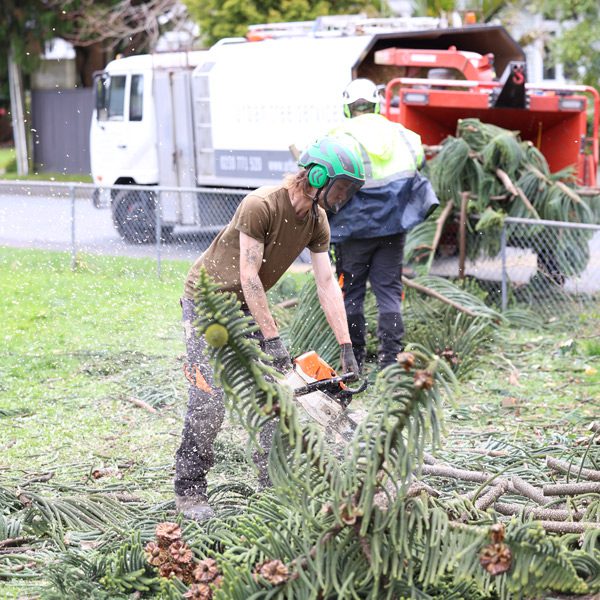
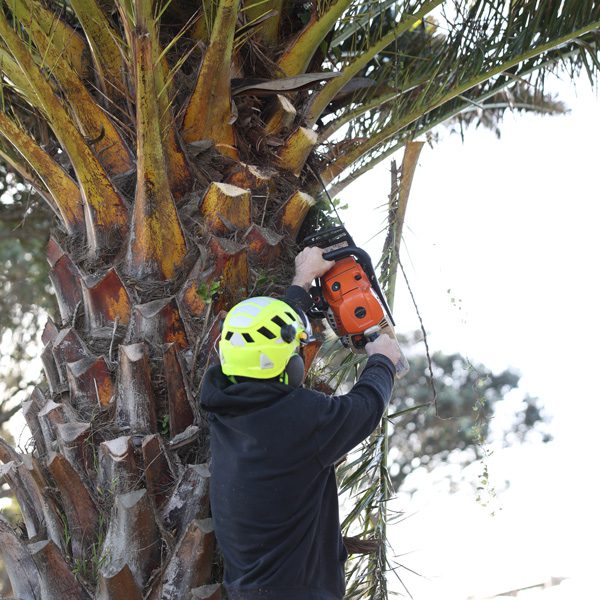
A well-kept hedge is one of the best features a garden can have — but get the timing wrong and you can end up with gaps, bare patches or a struggling hedge. Here’s the essentials.
How often?
Most formal hedges benefit from two trims a year — one in late spring and one in late summer. Fast-growing species may need more; slow-growing ones less. Regular light trims keep a hedge denser than occasional hard cuts.
When to avoid trimming
Avoid trimming in the harshest frosts or the peak of summer heat, and be mindful of nesting birds in spring. Trimming into old, bare wood can also leave gaps that are slow to fill.
Keep it tapered
Trim so the hedge is slightly wider at the base than the top. That lets light reach the lower growth and keeps the whole hedge green from top to bottom.